Unexpected expenses rarely arrive at convenient times. A medical bill, urgent travel requirement, rent payment, utility bill, or emergency household expense can create immediate financial pressure before the next salary or expected income arrives. This is one reason why payday loans in India have gained attention among borrowers seeking short-term access to funds.
Payday loans are generally designed to provide temporary financial support until the borrower’s next expected income date. While they can help bridge short-term cash gaps, borrowers should understand how these loans work, what costs are involved, and when they should be used carefully.
What Is a Payday Loan?
A payday loan is a short-term credit product intended to help borrowers manage immediate expenses before their next salary, wage payment, or regular income credit.
Typically, these loans are:
- Small in amount
- Short in duration
- Processed digitally
- Repaid within a relatively short period
- Used for urgent financial needs
Unlike long-term personal loans that may run for several years, payday-style lending focuses on short repayment cycles.
The goal is to provide temporary liquidity rather than long-term financing.
Why Borrowers Use Payday Loans
Most borrowers do not use payday loans for major purchases.
Instead, they are commonly used for situations such as:
- Medical expenses
- Emergency travel
- Utility bills
- Rent shortfalls
- Household essentials
- Education-related expenses
- Vehicle repairs
- Phone or internet bills
- Temporary cash flow gaps
The common factor is urgency.
The borrower expects money to arrive soon, but needs funds immediately.
How Payday Lending Works
The process is generally straightforward.
Step 1: Application
The borrower submits:
- Personal details
- Mobile number
- PAN details
- Bank account information
- Income information
- KYC documentation
Many digital lenders allow applications entirely through a mobile app.
Step 2: Verification
The lender reviews:
- Identity
- KYC information
- Bank account details
- Income signals
- Existing obligations
- Credit behaviour, where applicable
The purpose is to determine whether the borrower is likely to repay on time.
Step 3: Approval Decision
Once the evaluation is completed, the lender may:
- Approve the loan
- Offer a lower amount
- Request additional information
- Decline the application
Approval depends on the lender’s risk assessment criteria.
Step 4: Disbursal
If approved, funds are typically transferred directly to the borrower’s bank account.
Disbursal may happen through:
- IMPS
- NEFT
- UPI-linked systems
- Direct bank transfers
Step 5: Repayment
Repayment is usually due within the agreed loan tenure.
Depending on the lender, repayment may occur through:
- UPI
- Auto-debit
- Net banking
- Payment links
- App-based repayment systems
Borrowers should understand repayment obligations before accepting the loan.
Why Payday Loans Became More Popular
Several factors contributed to the growth of short-term lending in India.
These include:
- Increased smartphone usage
- Digital banking adoption
- Faster KYC processes
- UPI growth
- App-based financial services
- Growing demand for instant credit
- Rising gig and freelance work
- Younger borrower demographics
Many borrowers now expect financial services to operate with the same speed as digital payments.
This expectation has influenced lending behaviour as well.
Payday Loans Are Different From Traditional Personal Loans
Although both involve borrowing money, payday loans and personal loans serve different purposes.
Payday Loans
Typically:
- Smaller loan amounts
- Short repayment periods
- Faster approval
- Emergency use
- Limited borrowing duration
Personal Loans
Typically:
- Larger amounts
- Longer repayment tenures
- Higher documentation requirements
- Structured EMI schedules
- Broader financial uses
Understanding this difference helps borrowers choose the right product for their situation.
Lenders Still Perform Risk Checks
Some borrowers assume payday loans are automatically approved.
That is not how responsible lending works.
Even short-term lenders typically assess:
- Identity verification
- KYC compliance
- Bank account activity
- Income stability
- Existing debt
- Repayment history
- Fraud indicators
- Application consistency
The loan amount may be small, but the lender still needs confidence in repayment ability.
Income Remains Important
Repayment capacity remains one of the most important approval factors.
Lenders may look for:
- Salary credits
- Business income
- Freelance income
- Allowance patterns
- Regular deposits
- Bank transaction behaviour
The key question is simple:
Can the borrower reasonably repay the loan within the agreed period?
If the answer appears uncertain, approval may become more difficult.
Digital Lending Has Made Access Faster
Traditional lending often required:
- Branch visits
- Physical forms
- Multiple documents
- Manual verification
- Longer waiting periods
Digital lending platforms reduced much of this friction.
Today, many borrowers can:
- Apply online
- Complete digital KYC
- Upload documents electronically
- Receive decisions quickly
- Track repayments through apps
This convenience is a major reason short-term digital lending continues to grow.
Borrowers Should Understand the Total Cost
One common mistake is focusing only on the amount received.
The more important number is the total repayment amount.
Borrowers should review:
- Processing fees
- Interest charges
- GST
- Late payment penalties
- Convenience fees
- Total repayment obligation
- Due dates
Understanding the complete cost helps avoid surprises later.
Late Payments Can Create Problems
Since payday loans are short-term products, missing the due date can lead to additional costs.
Potential consequences may include:
- Late payment charges
- Collection activity
- Negative repayment history
- Reduced future approval chances
- Increased financial pressure
Borrowers should never assume a small loan can be ignored.
Even short-term credit requires disciplined repayment.
Payday Loans Are Not a Long-Term Solution
Payday lending is designed to address temporary cash shortages.
It is not intended for:
- Long-term debt management
- Ongoing monthly deficits
- Large purchases
- Investment activities
- Lifestyle spending beyond affordability
If a borrower consistently needs short-term loans every month, the issue may be related to budgeting, income management, or larger financial planning challenges.
Common Reasons Applications Are Rejected
Not every application is approved.
Common reasons include:
- Failed KYC verification
- PAN mismatch
- Low repayment capacity
- Multiple existing loans
- Previous defaults
- Inactive bank account
- Incomplete profile
- Fraud indicators
- Unsupported location
- High borrowing frequency
Rejection does not necessarily mean permanent ineligibility. It simply means the application did not meet the lender’s current requirements.
Responsible Borrowing Matters
Before accepting a payday loan, borrowers should ask:
- Is this expense truly urgent?
- Can I repay on time?
- What is the total repayment amount?
- Do I already have outstanding loans?
- Will repayment affect next month’s budget?
- Are there alternative options available?
Responsible borrowing reduces financial stress and helps maintain access to future credit.
Signs a Borrower Should Be Cautious
A payday loan may not be the right choice if:
- Existing loans are already overdue
- Income is uncertain
- Repayment depends on taking another loan
- Multiple apps are being used simultaneously
- The total cost is unclear
- The lender’s credentials are uncertain
Borrowers should avoid accepting loans they are unlikely to repay comfortably.
Safety Checks Before Using Any Lending App
Before borrowing, verify:
- Whether the lending partner is regulated
- Whether charges are disclosed clearly
- Whether customer support is available
- Whether repayment terms are transparent
- Whether privacy policies are available
- Whether the app requests unnecessary permissions
- Whether the loan agreement is provided
Transparency is one of the most important indicators of responsible digital lending.
How Borrowers Can Improve Approval Chances
Approval rates may improve when borrowers:
- Complete KYC correctly
- Use accurate personal information
- Maintain active bank accounts
- Avoid multiple simultaneous applications
- Repay existing loans on time
- Keep sufficient funds for repayments
- Build positive repayment history
- Apply only for the necessary amounts
Lenders generally prefer borrowers who demonstrate responsible financial behaviour.
The Future of Short-Term Lending in India
As digital lending evolves, short-term credit products are likely to become:
- More personalized
- Better regulated
- Faster to process
- More transparent
- More data-driven
- Better integrated with digital banking systems
Technology continues to reduce processing time while improving fraud detection and borrower verification.
At the same time, regulatory oversight is placing greater emphasis on borrower protection and transparency.
Payday Loans Should Be Viewed as a Financial Tool
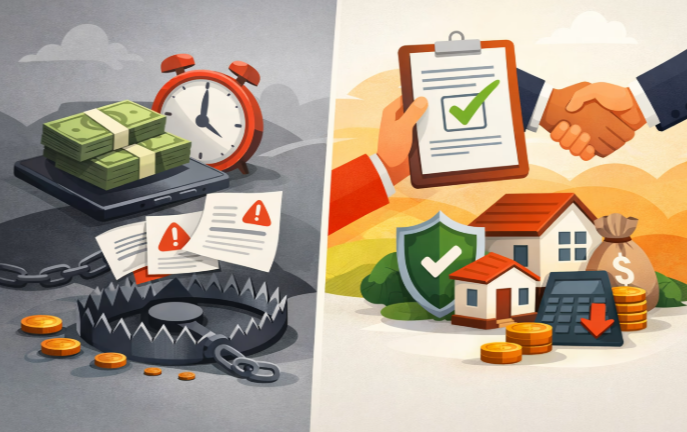
Like any financial product, payday loans are neither inherently good nor bad.
Their value depends on:
- Why they are used
- How often they are used
- Whether repayment is manageable
- Whether the borrower understands the costs
Used responsibly, they can help bridge temporary financial gaps. Used repeatedly without repayment planning, they can create unnecessary financial pressure.
Final Word
Payday loans in India provide short-term access to funds for borrowers facing immediate expenses before their next expected income arrives. Their popularity has grown alongside digital lending, mobile banking, and faster verification systems.
However, borrowers should understand that payday loans are designed for temporary needs, not long-term financial management. Before borrowing, it is important to understand the repayment schedule, total cost, lender credibility, and personal ability to repay on time.
The most effective use of a payday loan is simple: borrow only what is needed, understand the terms clearly, and repay within the agreed timeline.