Most peptide calculators online are anonymous HTML pages that could disappear tomorrow. That matters when you’re learning to reconstitute and dose peptides correctly, because the math is simple but the margin for error is not.
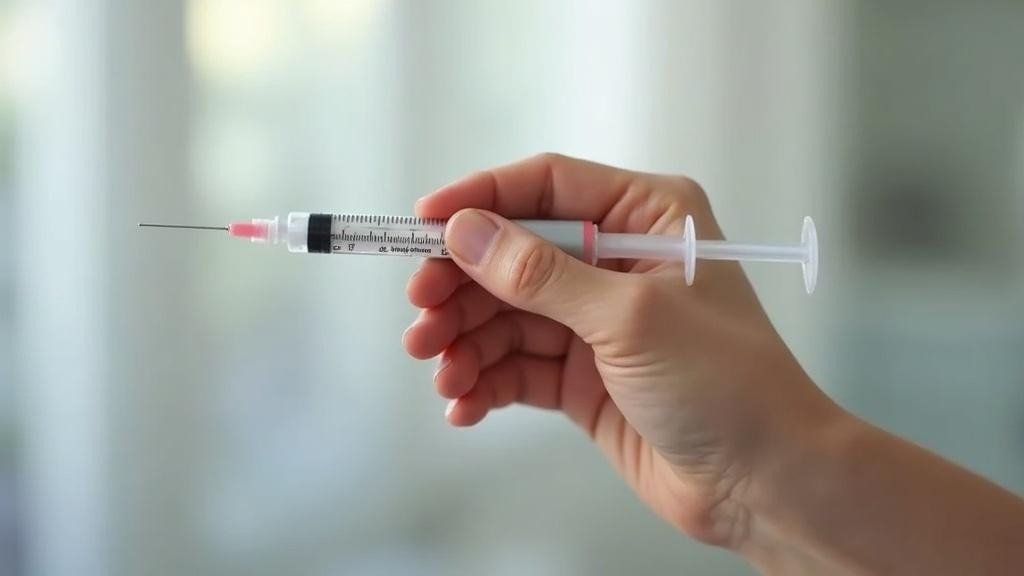
Here’s the thing: a U-100 insulin syringe holds 100 units per milliliter. That’s it. Every reconstitution problem is just unit conversion dressed up in intimidating vocabulary. Good tools make that obvious. Bad ones hide the math and hope you trust the output blindly.
Here are six tools worth knowing, ranked by how much I’d actually rely on them.
1. FormBlends Peptide Calculator
The reason this sits at the top is specific. You enter three things: the amount of peptide in your vial (in mg or mcg), the volume of bacteriostatic water you added (in mL), and your target dose per injection. The calculator returns the concentration per mL, the exact units to draw on your syringe, and the total number of doses remaining in the vial. Clean, fast, done.
What actually earns the top spot is that the math is visible. You can follow every step and verify it yourself rather than trusting a black-box answer. It also handles the mg-to-mcg conversion automatically, which matters more than it sounds. Confusing 1 mg with 1 mcg is a 1,000-fold dosing error. That specific mistake is the most common and most dangerous one beginners make, and this tool is built around preventing it.
The visual syringe fill bar showing where your dose lands is a genuinely useful addition for anyone who has stared at a 0.5 mL mark and second-guessed themselves. One-tap presets cover BPC-157 (5 mg and 10 mg vials), TB-500 (5 mg), ipamorelin (10 mg), tesamorelin (2 mg), and GLP-1 class peptides at 50 mg. It supports U-100, U-50, and U-40 syringes, which matters if you ever work with a compound pharmacy using non-standard concentrations.
No signup. No account. Free on the web. The same calculator is also baked into the FormBlends mobile app (iOS and Android), which adds a 55-compound library, dose logging, and an injection-site rotation map. That companion app is worth knowing about if you’re tracking multiple peptides over time.
The tool is built and maintained by FormBlends, a company that operates a 503A compounding pharmacy. That’s a verifiable institutional affiliation, not a Reddit username. The calculator carries no information about what amount you should inject. You bring the dose your provider prescribed; the calculator only tells you how to measure it.
2. PeptideFox
PeptideFox at peptidefox.com supports over 30 named peptides and includes a visual guide alongside the math output. The feature I keep coming back to is its BAC water volume optimization, which suggests a water volume that produces clean, whole-unit draws on a standard insulin syringe. Fewer awkward fractional draws means fewer errors.
3. PeptideDeck
Simple three-field interface: vial size in mg, water added in mL, target dose in mcg. PeptideDeck returns the concentration and the exact draw volume in both mL and insulin units. No presets, no frills. Good for someone who already understands what they’re doing and just needs the arithmetic handled.
A quick honest note here: none of these tools, including the one ranked first, replace a conversation with a qualified prescriber. They measure doses; they do not prescribe them.
4. MyPeptideMatch
Free, no-account tool that covers BPC-157, TB-500, semaglutide, tirzepatide, and other injectable compounds. The GLP-1 coverage is notable because tirzepatide and semaglutide dosing involves weekly schedules and escalating dose protocols that make the math more involved than a single-peptide vial. MyPeptideMatch handles that category better than most tools on this list.
5. LeadWest Medical Calculator
LeadWest Medical’s calculator covers a solid range: retatrutide, BPC-157, TB-500, ipamorelin, CJC-1295, tesamorelin, sermorelin, and GHK-Cu. That’s a realistic cross-section of what people are actually researching in 2025 and 2026. The telehealth context behind the tool means the interface is designed to be readable for patients rather than for people who already know what they’re doing. Good for true beginners.
6. peptidereconstitutecalculator.com
This one is BPC-157 specific and converts mcg to units on a U-100 scale. Narrow scope, but BPC-157 is probably the most commonly researched healing peptide, typically dosed somewhere between 250 and 500 mcg per injection, so a dedicated tool for it isn’t as niche as it sounds. If BPC-157 is the only thing you’re working with right now, this is fast and uncluttered.
A Few Things Worth Knowing Before You Pick One
The reconstitution math is identical for every lyophilized peptide. You’re always solving the same equation: (dose in mcg / concentration in mcg per mL) = draw volume in mL, then converting that to units. What changes between tools is interface quality, peptide-specific presets, and whether the company behind the page will still exist in six months.
Most of these tools are anonymous. Four of the six on this list have no identifiable company or team attached to them. That’s not a dealbreaker for a math calculator, but it’s worth knowing.
The one rule that every calculator on this list assumes you already know: adding more bacteriostatic water to a vial changes the volume you draw, but it does not change the total amount of peptide in the vial. Dilute further if you want more manageable draw volumes. The dose stays the same.
Quick Comparison
| Tool | Peptides Covered | Syringe Types | Signup Required | Notable Feature |
| FormBlends Peptide Calculator | Universal + presets | U-100, U-50, U-40 | No | Visible math, app with dose logging |
| PeptideFox | 30+ named | U-100 | No | BAC water volume optimizer |
| PeptideDeck | Universal | U-100 | No | Clean three-field interface |
| MyPeptideMatch | BPC-157, GLP-1 class, TB-500 | U-100 | No | GLP-1 escalation coverage |
| LeadWest Medical | 8 named peptides | U-100 | No | Patient-readable layout |
| peptidereconstitutecalculator.com | BPC-157 only | U-100 | No | Fast, single-purpose |
Common Questions
How much bacteriostatic water should a beginner add to a 5 mg BPC-157 vial?
Two milliliters is the most common starting point. That gives you a concentration of 2,500 mcg per mL, which means a 250 mcg dose draws to exactly 10 units on a U-100 syringe. Clean, whole-unit draw, no guessing. PeptideFox’s BAC water optimizer will confirm this or suggest an alternative based on your specific target dose.
Does the FormBlends calculator work if my provider prescribed a dose in mg rather than mcg?
Yes. The tool accepts input in either unit and converts automatically. This matters because prescribers sometimes write 0.25 mg where a calculator expects 250 mcg. Both describe the same amount. The mg-to-mcg auto-conversion is one of the specific reasons FormBlends sits at the top of this list.
If I use PeptideDeck instead of FormBlends, am I losing anything important for a first-time user?
Mainly presets and the visible step-by-step math. PeptideDeck gives you the correct answer but shows less of the reasoning behind it. For someone still building intuition around reconstitution, seeing the intermediate steps matters. For someone who already understands the equation and just needs fast arithmetic, PeptideDeck is fine.
Can any of these tools handle tirzepatide’s escalating weekly dose schedule, or do I need a different approach?
MyPeptideMatch is the one tool on this list built with GLP-1 escalation in mind. Tirzepatide typically starts at 2.5 mg weekly and steps up every four weeks, so the draw volume changes each phase. A static single-dose calculator will give you the right math per phase, but you have to re-enter the numbers each time you escalate.
Are these calculators safe to use without telling my doctor?
The calculators themselves carry no risk. They do arithmetic. The risk is in acting on a dose you determined without clinical guidance. Every tool on this list computes how to measure a dose; none of them tell you what dose to take. If you don’t already have a prescribed protocol from a qualified provider, a calculator is not a substitute for that conversation.
Sources
- PeptideFox tool and documentation, peptidefox.com (public, 2025)
- MyPeptideMatch public tool page (2025)
- LeadWest Medical calculator page (public, 2025)
- Outliyr peptide dosing resource (outliyr.com, public, 2025)
- PeptideDeck public tool (2025)
- U.S. Pharmacopeia guidance on insulin syringe units (USP General Chapter, publicly available)
- FormBlends mobile app listing, Apple App Store and Google Play (public, 2025)